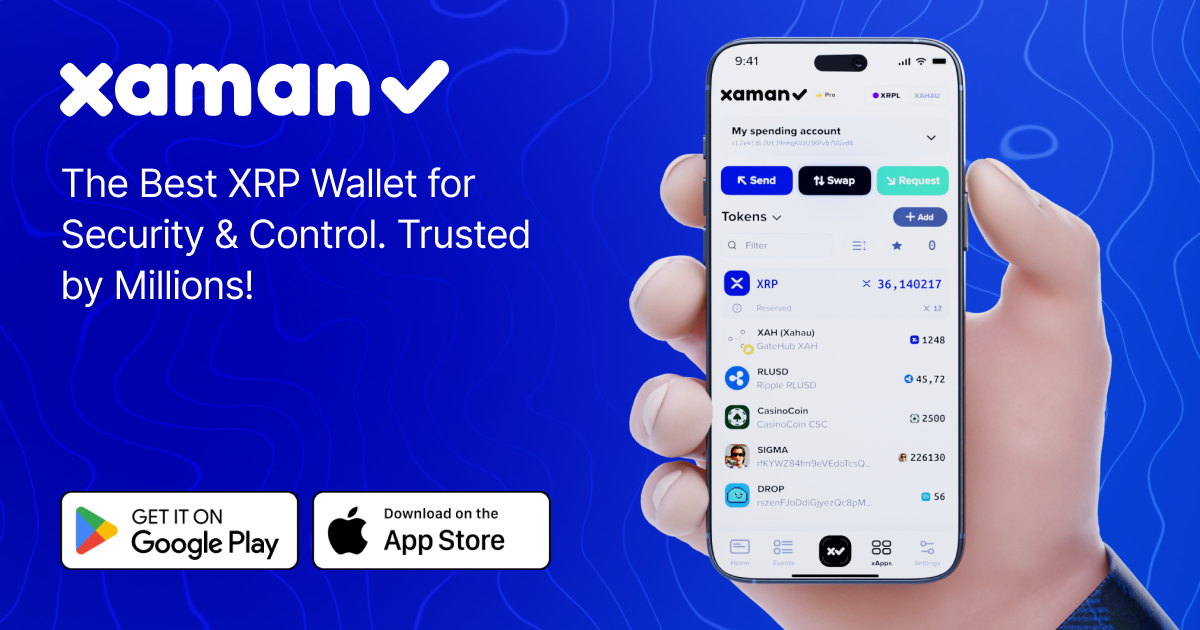
Xaman wallet is the self-custody signer built for XRPL and Xahau accounts
Xaman wallet is a mobile self-custody wallet for XRP Ledger and Xahau users who want direct account control, fast signing, and support for XRP plus issued tokens from the same app. It stores account access on the user's device, protects signing with passcodes or biometrics, and connects to XRPL products that need secure transaction approval.
Mobile signing for XRPL and Xahau transactions
The central job is simple: the app prepares a secure place to manage accounts and approve transactions on the XRP Ledger and Xahau. When a payment, trust line, token action, offer, or account setting needs authorization, the user reviews the details and signs from the phone. That makes the wallet more like a transaction control panel than a passive balance viewer.
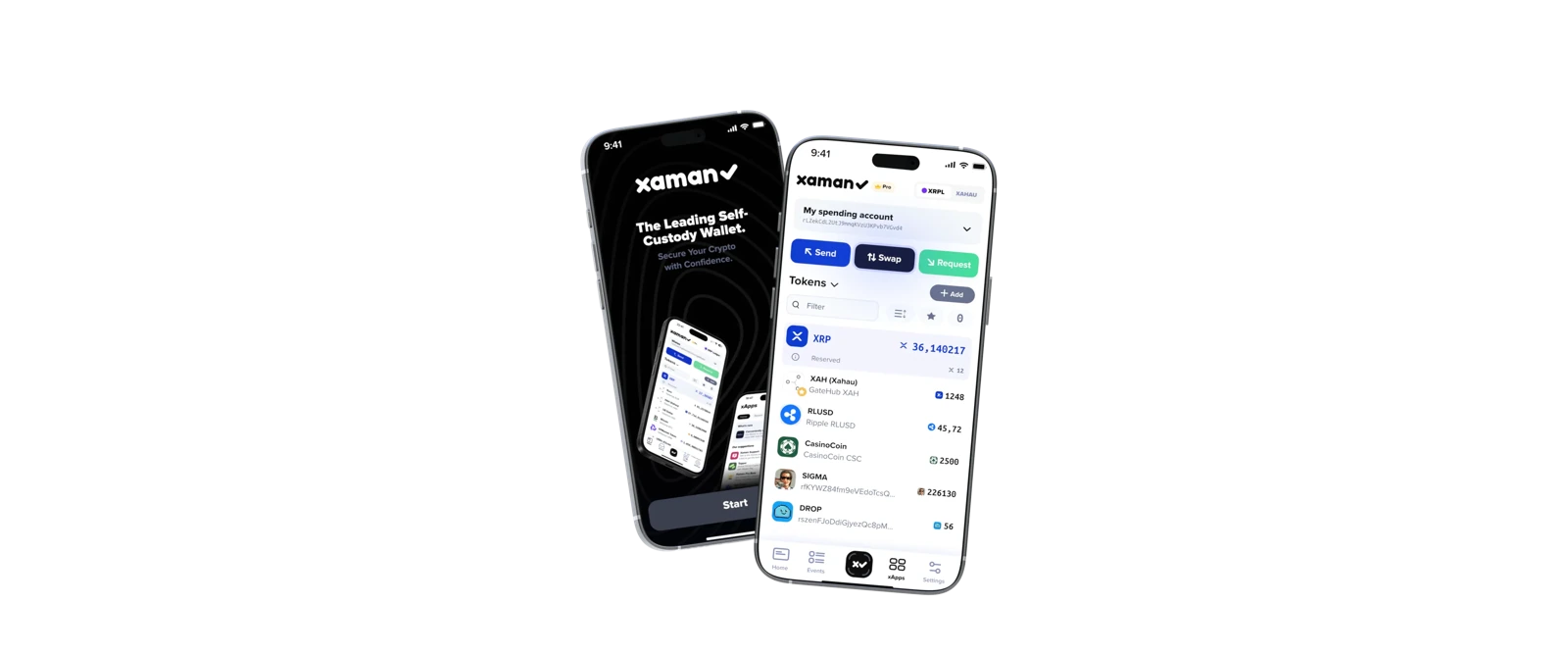
Xaman wallet supports the assets available on XRPL and Xahau, which includes XRP, Xahau's XAH, and issued tokens created by gateways or projects on those networks. The chains are known for quick settlement, so routine payments and signed actions resolve in seconds after submission. The app's value comes from pairing that speed with explicit human approval before account changes leave the device.
What the app controls on an XRP account
An XRPL account is more than an address with a balance. It holds reserves, account flags, trust lines, offers, signer lists, NFTs, and token relationships. Xaman wallet gives the owner a mobile interface for those account-level actions, so the same app handles everyday XRP transfers and more technical operations such as adding a trust line for an issued asset.
This matters because XRPL tokens work through trust lines rather than the account model many Ethereum users know from ERC-20 wallets. Adding a trust line changes what an account is willing to hold from a specific issuer. The signing screen is therefore important: it tells the user what account instruction is being approved, not just the amount of a token moving from one place to another.
Passcodes, biometrics, and account ownership
Access is guarded locally with a passcode and device biometrics such as fingerprint unlock or Face ID. Those controls make day-to-day use quick while keeping signing tied to the physical device and the owner's authentication. The private account material stays under the user's control, which is the point of a self-custody wallet.
That responsibility cuts both ways. Losing recovery information means losing the practical path back into the account, so setup deserves more attention than a normal app login. A sensible routine is to record the recovery details offline, protect the phone with a strong lock screen, and treat unexpected signing requests as account changes until the transaction details are understood.
Xaman Cards with Tangem NFC hardware
On a practical level, Xaman Cards add a hardware option through Tangem NFC cards integrated with the wallet experience. The embedded chip stores the private key, and the phone communicates with the card through NFC when a signature is needed. This gives users a more physical custody setup while keeping the familiar mobile interface for viewing balances and approving activity.
Hardware cards suit people who want separation between the phone and the key material. The flow remains practical for mobile use: open the app, review the transaction, and tap the card when signing is required. It is especially relevant for accounts that hold larger balances, accounts used less frequently, or users who prefer a dedicated signing object instead of relying only on a device-based wallet.
Where it fits in the XRPL product ecosystem
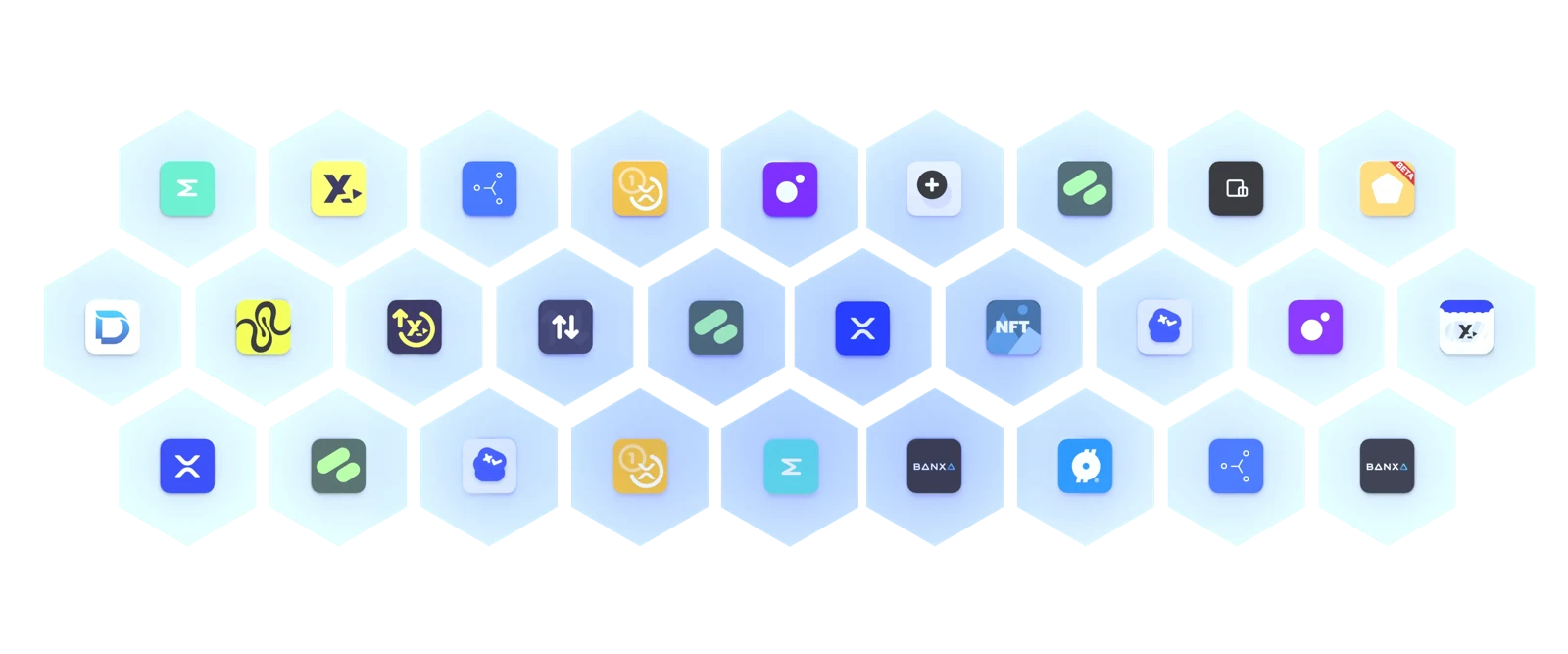
Many XRPL applications use Xaman wallet as a sign-in and signing layer. A user opens a product, receives a request in the wallet, reviews the requested action, and approves or rejects it. That pattern supports decentralized exchanges, NFT marketplaces, token tools, payment apps, and account management services without handing account access to each site.
The developer side is part of the same story. Xaman provides libraries, infrastructure, documentation, and a developer console for products that need wallet connections. For end users, that shows up as familiar signing prompts across the XRP Ledger ecosystem. For builders, it reduces the amount of security and user experience work required to connect an application to real XRPL accounts.
How a new user should set up the first account
Installation starts from the mobile app, followed by creating a new XRPL account or importing an existing one. A new account needs activation on the XRP Ledger before it becomes usable, because XRPL accounts require a base reserve. Once active, the user can receive XRP, create trust lines for issued tokens, and sign transactions from the phone.
The cleanest first setup keeps the account small until the owner understands the signing screens. A practical sequence is:
- Create or import the account and secure the recovery details offline.
- Enable the device passcode and biometric unlock before adding meaningful funds.
- Send a small XRP test payment to confirm the address and destination tag behavior.
- Review any trust line request before holding an issued token.
- Connect to one XRPL app at a time and read every signing prompt.
That said, Xaman wallet becomes easier to use once the difference between a payment, a trust line, an offer, and an account setting is familiar. Those transaction types are normal XRPL mechanics, but they carry different consequences.
Everyday uses beyond holding XRP
The app works well for people who actively use the XRP Ledger rather than only store coins. It handles sending XRP, receiving payments, holding issued assets, interacting with Xahau, approving XRPL dApp requests, and managing multiple accounts from one interface. Users who keep separate accounts for savings, payments, testing, or project activity benefit from that account switching.
More broadly, Xaman wallet also fits merchants, creators, and community projects that rely on QR-style payment flows or token access. The fast confirmation profile of XRPL makes small payments and repeated transfers feel natural, while the wallet's review step keeps approval visible. That combination explains why it is common across XRP-focused products.
Costs, reserves, and transaction fees to expect
The wallet itself is only one part of the cost picture. XRPL transactions include small network fees paid in XRP, and accounts must maintain the ledger's reserve requirements to stay active and hold objects such as trust lines or offers. Xahau has its own native asset and network economics, so users should treat each chain's balance requirements separately.
Fees on XRPL are designed for spam prevention rather than miner-style revenue. They are burned by the network when a transaction is submitted. The more important cost for many users is the reserve locked by account objects, because adding trust lines or other ledger entries affects how much XRP remains freely spendable.
Alternatives for different custody styles
Users who want a broader multi-chain wallet look at products such as Trust Wallet, Ledger Live with a Ledger device, or MetaMask for EVM networks. Those tools serve different ecosystems and signing models. Xaman wallet is strongest when the main requirement is native XRP Ledger and Xahau activity, especially where XRPL-specific transaction types matter.
A hardware-first user may prefer a Ledger device for cold storage across many chains. A mobile user focused on XRP payments and XRPL applications gets a more direct fit here. Someone living mostly on Ethereum, Base, Arbitrum, or Polygon needs an EVM wallet in addition to any XRPL setup. The right choice follows the chains and transaction types the account owner actually uses.
Before you start with Xaman wallet
Is Xaman wallet free to use for XRP payments?
The mobile app is available for everyday wallet use, while XRP Ledger transactions still require normal network fees paid in XRP. Those fees are separate from the app and are burned by the network when a transaction is submitted. Account reserves also matter, because an XRPL account must keep enough XRP locked to remain active and support ledger objects such as trust lines.
Can I use Xaman wallet on both iPhone and Android?
Yes. It is built as a mobile wallet experience and supports common phone security features such as passcodes and biometric unlock on compatible devices. The important setup step is preserving the account recovery information before relying on the phone for meaningful balances, because self-custody access depends on the owner being able to restore the account when needed.
What happens if I approve the wrong XRPL signing request?
A signed XRPL transaction is submitted as an account instruction, so the effect depends on the transaction type. A payment moves funds, a trust line changes token holding permissions, and an offer places trading instructions on the ledger. Review the account, destination, issuer, amount, and transaction type before signing, especially when a request comes from a connected app.
Does Xaman wallet support Bitcoin or Ethereum assets directly?
Its core focus is the XRP Ledger and Xahau, including XRP, XAH, and issued assets on those networks. Bitcoin, Ethereum, and EVM tokens use different account and transaction systems, so users who need native activity on those chains normally keep a separate wallet suited to those networks alongside their XRPL wallet.
Which users benefit most from Xaman Cards?
Xaman Cards fit users who want Tangem NFC hardware involved in signing while keeping a mobile wallet interface. The card's chip stores the private key and is tapped during approval, which gives a physical signing step for accounts that hold larger balances, accounts used less frequently, or owners who prefer dedicated hardware for custody.
Do I need XRP before creating an account in Xaman wallet?
You can begin setup in the app, but an XRP Ledger account must be activated with the required XRP reserve before it functions on-chain. After activation, the account can receive payments, create trust lines, and submit transactions. Xahau accounts and assets follow that network's own native balance and fee requirements.