Xaman wallet app is a biometric self-custody wallet for XRP Ledger and Xahau accounts
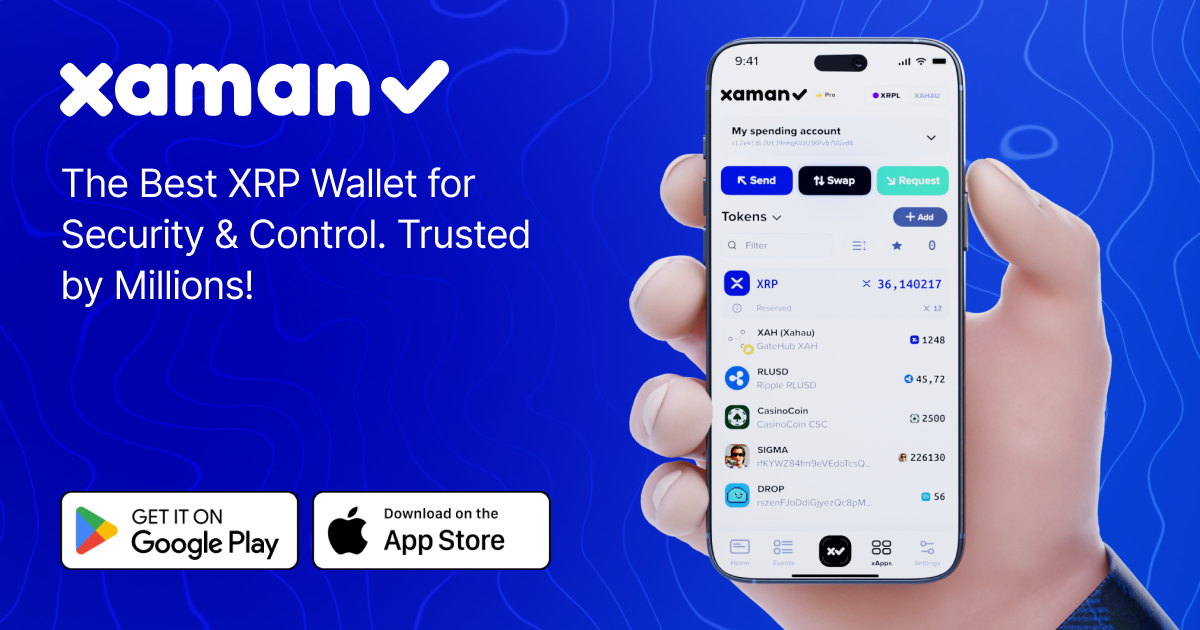
Xaman wallet app is a mobile wallet built for direct control of XRP Ledger and Xahau accounts, with passcode and biometric access for signing transactions. It manages XRP, issued XRPL tokens, Xahau assets, imported accounts, and new accounts from one interface. Its main value is the combination of self-custody key control, fast ledger settlement, ecosystem sign-in, and optional Tangem-powered Xaman Cards for hardware-backed key storage.
Passcode and biometric signing on XRPL and Xahau
The wallet is designed around transaction approval rather than passive balance viewing. When an app, service, or token action needs permission, the user reviews the request and signs with a passcode, fingerprint, or Face ID. That flow matters on XRPL because many actions are ledger-level instructions: sending XRP, setting trust lines, swapping assets through supported flows, signing in to an ecosystem product, or approving an account setting.
Biometric access does not make the ledger itself private or reversible. It protects the local approval flow on the phone so the owner is the one authorizing account activity. The same pattern applies across XRP Ledger and Xahau: the network records the signed transaction, while Xaman provides the secure mobile signing layer that turns a cryptographic account into something usable day to day.
Accounts, imports, and key ownership in one mobile interface
Xaman wallet app supports creating new accounts and importing existing ones, which makes it useful for people who already have XRPL addresses as well as users starting fresh. Multiple accounts fit naturally into the app because XRPL users split activity by purpose: a main XRP account, an account for issued tokens, a testing account, or a separate address for interacting with ecosystem products.
Self-custody is the defining detail. The account owner controls the keys and approves transactions locally. That makes backup discipline important: losing access to the phone, secret material, or configured recovery path creates real account-access risk. The practical habit is to set up the wallet slowly, confirm the account shown in the app, and keep recovery material away from screenshots, cloud notes, and chat apps.
Tokens, trust lines, and fast ledger settlement
XRP is the native asset of the XRP Ledger, but the network also supports issued assets through trust lines. Xaman wallet app handles the account view and signing flow for assets available on XRPL and Xahau, so a user can inspect balances and approve token-related actions without leaving the mobile wallet. That makes it a control surface for both native XRP activity and the broader token ecosystem.
XRPL transactions are known for short settlement times, and the official Xaman material describes transaction settlement in the 3-5 second range. For ordinary users, that speed changes how the wallet feels: payments, account settings, and token interactions move from request to confirmation quickly enough that the app behaves like a real-time signing tool, not a slow custody dashboard.
Where Xaman Cards fit into the custody setup
For context, Xaman Cards add a hardware layer through Tangem NFC cards integrated with the Xaman experience. The private key is stored on the embedded card chip, and the phone uses NFC interaction as part of the signing flow. This gives users a cold-wallet style setup while preserving the familiar mobile interface for reviewing and approving account activity.
The card model is most relevant for people who want separation between a phone and key storage. A mobile-only account keeps daily use compact; a card-backed account introduces a physical object into the approval routine. Both still revolve around the same core idea: the user signs XRPL or Xahau transactions deliberately, with the wallet presenting the details before the action reaches the ledger.
Signing into XRPL products without handing over custody
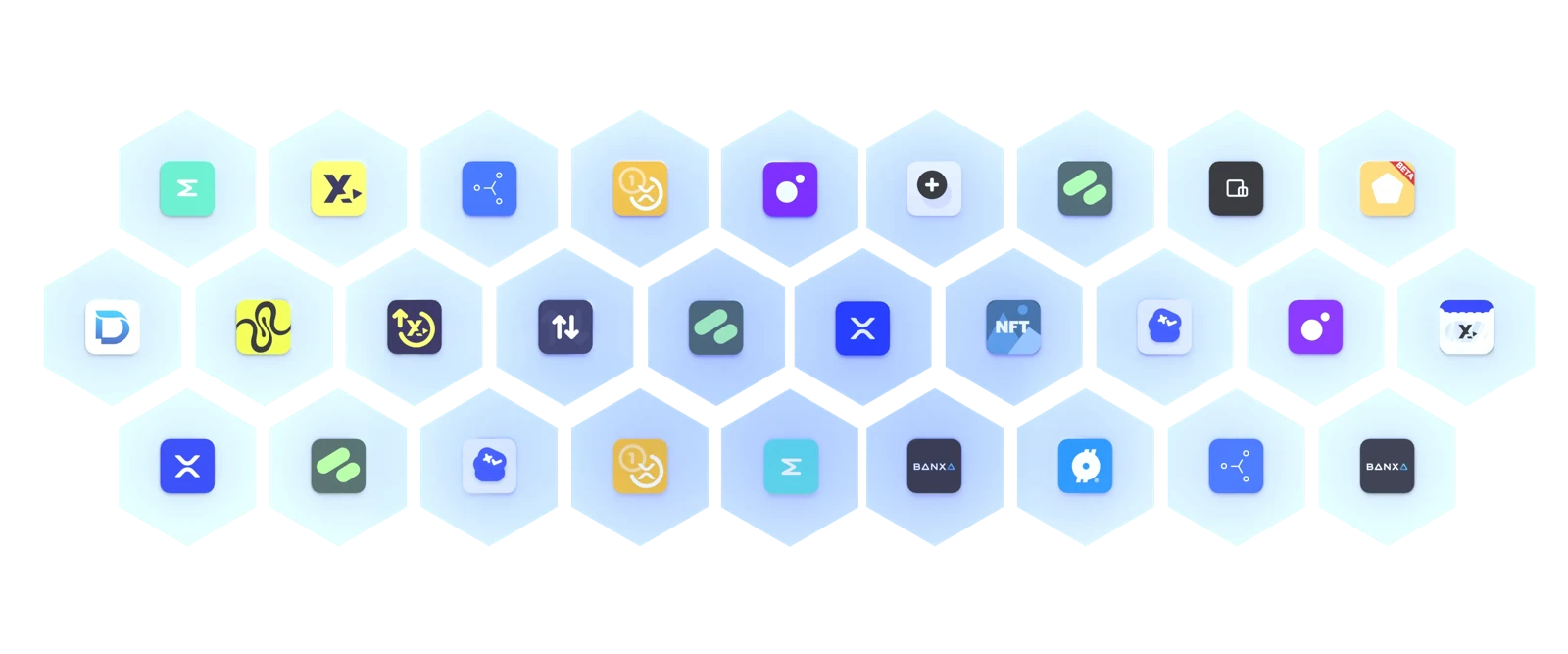
Across the XRP Ledger ecosystem, many products use wallet-based sign-in and transaction approval. Xaman wallet app is widely used for that role because it connects account owners to projects while keeping signing inside the wallet. A service sends a request, the app shows what is being requested, and the user approves or rejects it from the phone.
This workflow is especially important for decentralized apps, token tools, NFT-related products, account utilities, and developer-built XRPL services. A sign-in request proves control of an account; a transaction request changes something on-chain. Reading the difference before approval is essential because the wallet is the authority point for the account, not merely a login screen.
What a first setup should include
A clean start keeps later confusion low. Install the official mobile app, create or import an account, set passcode and biometric access, and confirm that the account address displayed in the wallet matches the address intended for use. After that, the first transfer or token action should be small enough to verify the flow without pressure.
- Use a dedicated passcode that is not reused from another app.
- Confirm the account address before receiving XRP or issued assets.
- Review token names, issuers, and trust-line requests before approval.
- Keep recovery material offline and away from shared devices.
- Separate everyday activity from larger holdings when multiple accounts help.
Once the basics are in place, Xaman wallet app becomes a repeatable approval tool. The user opens it to receive funds, send XRP, sign in to supported products, manage multiple XRPL accounts, and review requests that arrive from ecosystem services.
Developer tooling behind the wallet experience
On a practical level, Xaman is also part of the builder side of XRPL. Its official materials emphasize developer libraries, infrastructure, documentation, and a Developer Console that help products connect users to wallet signing. That matters because a wallet with strong ecosystem support becomes more useful every time a product integrates clean request flows instead of forcing users through brittle manual steps.
For developers, the important distinction is that Xaman wallet app supplies a user-facing signing and identity layer around XRPL accounts. Applications still define their own product logic, but account authorization runs through a familiar wallet approval pattern. This reduces friction for users who already trust the wallet interface and understand how signed requests appear on their device.
Security signals that matter for everyday account control
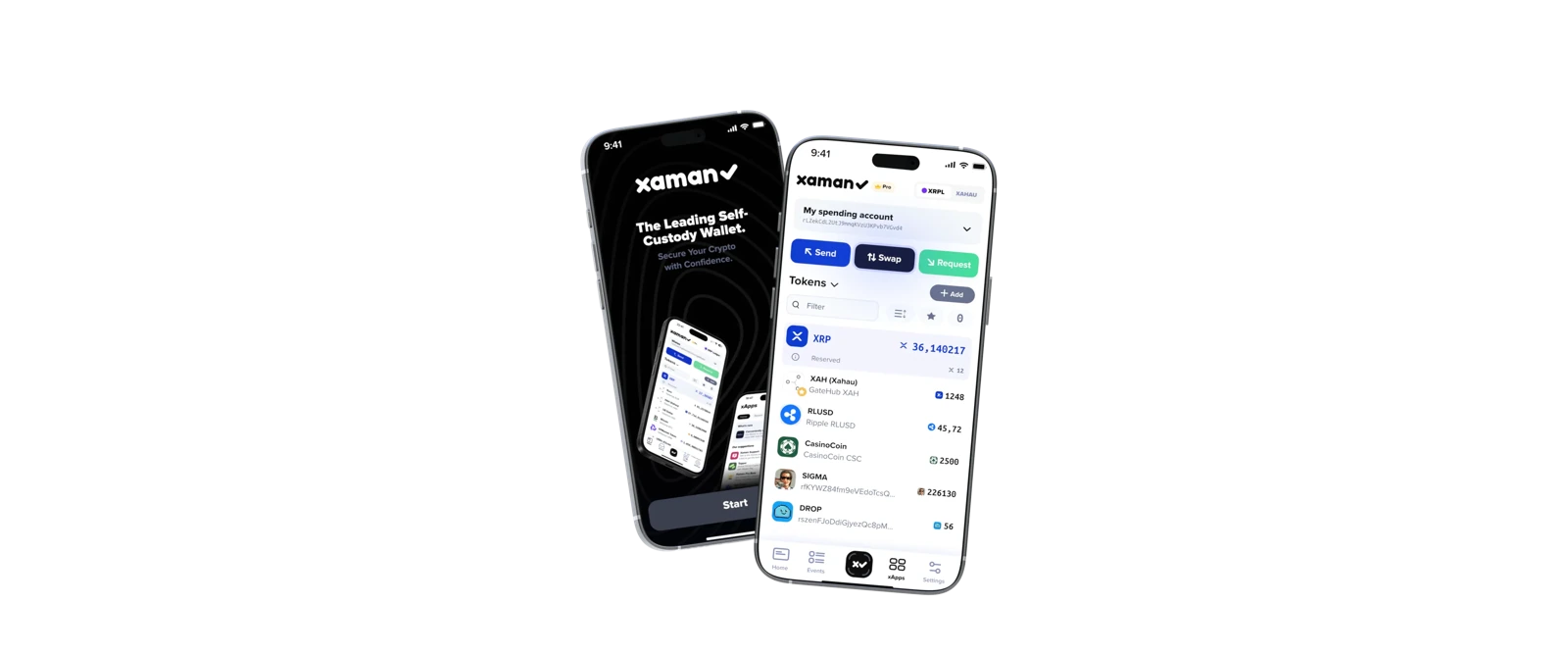
The project presents itself as security-first, independently audited, and trusted by a large user base across the XRP ecosystem. Those signals matter because a wallet holds the approval path for real ledger actions. Strong design shows up in predictable signing prompts, local access controls, import support, hardware-card options, and a clear boundary between viewing account data and authorizing a transaction.
That said, Xaman wallet app works best when users treat every prompt as a ledger instruction with consequences. A payment, trust line, account setting, or app connection deserves a quick review before biometric approval. The wallet makes signing convenient, and the account owner remains responsible for deciding which requests deserve a signature.
Mobile XRP control compared with exchange storage and general wallets
An exchange account gives convenience for trading, while a dedicated XRPL wallet gives direct account control. A broad multi-chain wallet covers many networks, while an XRPL-focused wallet gives deeper alignment with XRP Ledger behaviors such as issued assets, trust lines, fast settlement, ecosystem sign-in, and Xahau support. The better fit depends on the task: trading on an exchange, holding native XRP, interacting with XRPL products, or managing multiple ledger accounts.
More broadly, Xaman wallet app belongs in the dedicated XRP and Xahau category. It is strongest when the user wants mobile signing, direct custody, token visibility, hardware-card options, and compatibility with products built around XRP Ledger accounts. That focus is the reason it feels different from a generic portfolio app: it reflects the account model and signing habits of the XRPL ecosystem.
Xaman wallet app - common questions
- Does Xaman wallet app charge a subscription fee to hold XRP?
- The wallet itself is used as a self-custody mobile app for managing XRPL and Xahau accounts. Network transactions still require the relevant ledger fees, and some optional products, services, or hardware items such as Xaman Cards have their own costs. Holding an account in the app is separate from the fee paid when a transaction is submitted to XRP Ledger or Xahau.
- Which phones work best for biometric access in Xaman?
- The best fit is a modern iOS or Android phone with secure passcode support and a working biometric system such as Face ID, fingerprint unlock, or the device's equivalent authentication method. Biometric access depends on the phone's hardware and operating system security features. A stable device with current system updates gives the wallet a stronger everyday approval environment.
- Recovering access if a phone with Xaman is lost or replaced
- Access depends on how the account was created, imported, and backed up. A user replacing a phone needs the appropriate recovery material or import method for the account, and card-backed accounts require the relevant Tangem card flow. The critical point is that self-custody places recovery responsibility on the account owner, so setup should include a deliberate recovery plan before funds arrive.
- Can I use Xaman wallet app with issued XRPL tokens?
- Yes. The app supports assets available on the XRP Ledger and Xahau, which includes XRP and issued tokens. On XRPL, many issued assets rely on trust lines, so the important step is reviewing the issuer and the exact request before approving it. The wallet presents token and transaction actions through its signing flow so the user remains in control of approval.