Xaman wallet is a self-custody XRPL wallet with Tangem NFC card support
Xaman wallet is a self-custody XRP Ledger and Xahau app with optional Tangem NFC cards that keep private keys hardware-backed while users approve XRP payments, token transfers, and ecosystem sign-ins from a phone. It is built for people who want direct control of XRPL accounts, access to issued tokens, and transaction approval through passcodes or biometrics without handing custody to an exchange account.
Tangem NFC cards make the mobile wallet feel closer to cold storage
The most distinctive hardware angle is the card flow. Xaman Cards use Tangem NFC hardware, where the private key stays inside an embedded chip and the phone communicates with the card during signing. The phone still provides the app interface, account view, transaction details, and network connection, while the card adds a physical signing step for the account tied to it.
This setup suits an XRPL user who wants mobile convenience without keeping every key purely on the handset. The card is tapped when a transaction needs approval, so everyday use still feels fast, but a stolen unlocked phone alone does not equal immediate key access for the card-backed account. That distinction matters for users holding XRP, issued assets, or Xahau positions for more than quick experimentation.
XRPL and Xahau accounts live in one account manager
The app handles multiple accounts, including new wallets and imported accounts, inside one interface. A user can separate an active spending account from a card-backed savings account, manage a test or project account beside a main XRP account, and keep different risk levels apart. Xaman wallet is especially useful when a person participates in more than one XRPL product because each account has its own signing context.
On XRP Ledger, accounts interact with XRP and issued assets through trust lines, offers, payments, and application sign-ins. On Xahau, the wallet extends the same self-custody model to that network's ecosystem. The practical value is continuity: the user does not need a different mental model every time they move between the two related ledgers.
Signing is the job, not hiding transaction details
A wallet in this environment does more than display balances. It presents a transaction request, shows the account being used, asks for passcode or biometric confirmation, and signs only after approval. Xaman wallet puts that signing moment at the center of the user experience because XRPL applications rely on wallet authorization for payments, token actions, and account access.
That means the screen before approval deserves attention. Destination accounts, asset codes, issuer information, and requested permissions all matter. XRPL transactions settle quickly, and the official site describes XRP Ledger settlement as a 3-5 second process, so a mistaken approval becomes final fast. The useful caution is narrow: read the transaction prompt before confirming, especially when an unfamiliar site asks for access.
Token support follows the assets issued on the ledgers
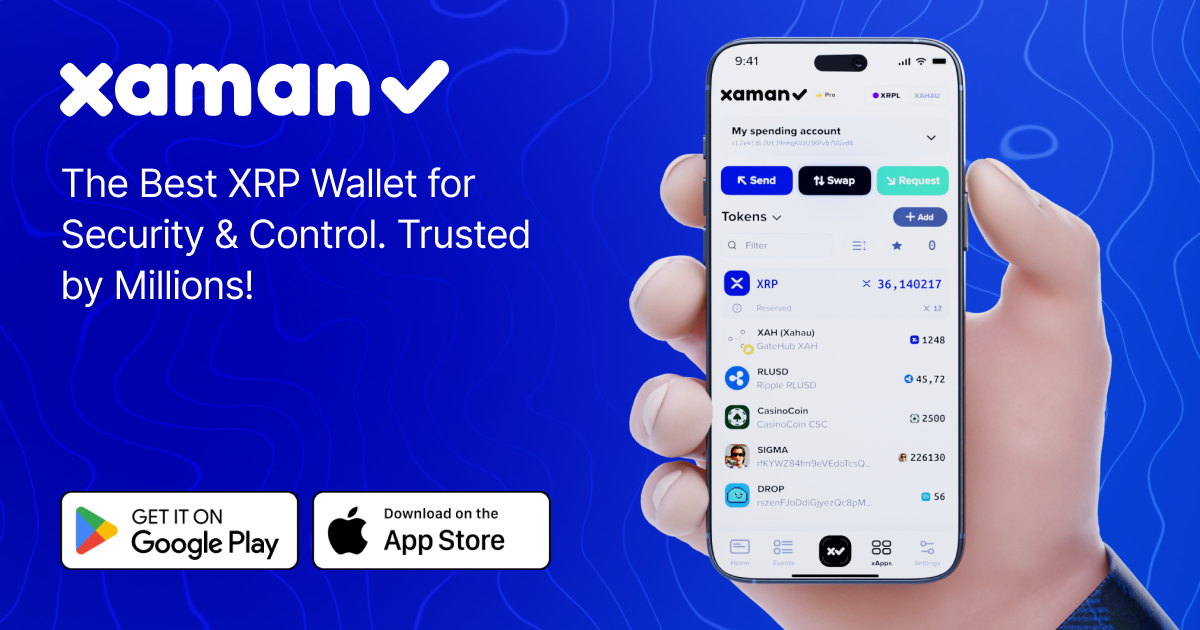
The wallet supports assets available on the XRP Ledger and Xahau rather than only XRP. On XRPL, that includes issued currencies created by gateways, projects, and applications, with trust lines defining which assets an account is willing to hold. This is why issuer details carry real weight: two tokens can share a familiar code while representing different issuers and different market realities.
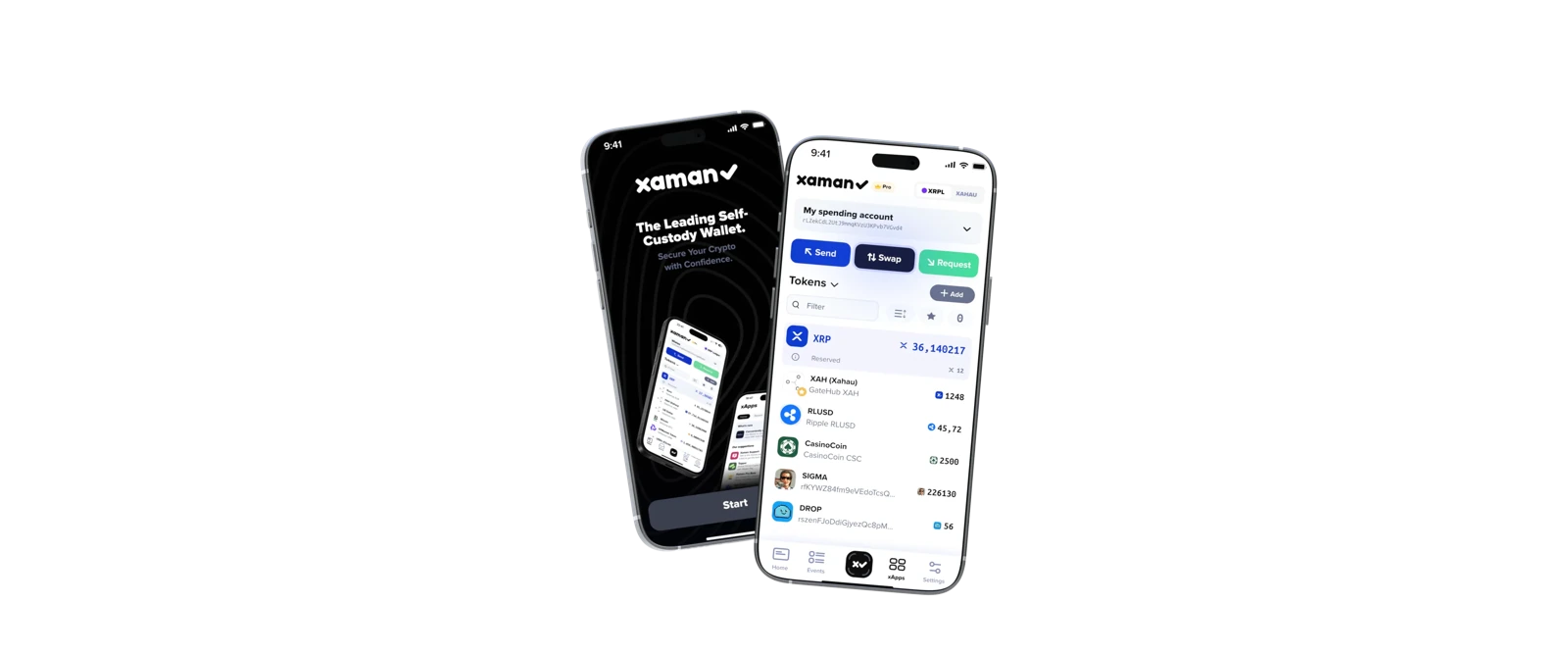
For people who trade or hold XRPL assets, the account view brings XRP, trust lines, and relevant token balances together. For people using ecosystem apps, the same wallet account becomes the approval layer for decentralized exchange actions, project sign-ins, and payments. Xaman wallet earns its place here by matching the way XRPL actually works instead of forcing every asset into a generic chain-agnostic display.
Getting started with cards, biometrics, and account separation
Setup starts with the app, a secure phone, and a decision about how many accounts to create or import. A card-backed account is best reserved for assets that should require a physical tap. A separate mobile-only account works well for smaller recurring actions, testing new apps, or paying routine XRPL invoices. This account separation keeps convenience and storage discipline from colliding.
- Use a strong device passcode before adding crypto accounts.
- Enable Face ID, fingerprint unlock, or the app's passcode flow for quick approval.
- Keep a Tangem card-backed account for larger XRP and token balances.
- Use a separate account when experimenting with new XRPL or Xahau apps.
- Review issuer names and transaction prompts before approving token activity.
Once the accounts are arranged, daily use becomes straightforward: receive XRP, add assets where needed, sign requests from ecosystem products, and move funds between accounts when the risk profile changes. Xaman wallet works best when the user treats accounts as separate tools rather than one catch-all address.
Developer and ecosystem connections matter for XRPL users
The official positioning places the wallet close to XRPL development, not only consumer storage. Its libraries, developer console, and infrastructure connect applications with users who approve requests from the app. That matters because XRPL products need a dependable signing path, and users need a recognizable wallet prompt when moving from one project to another.
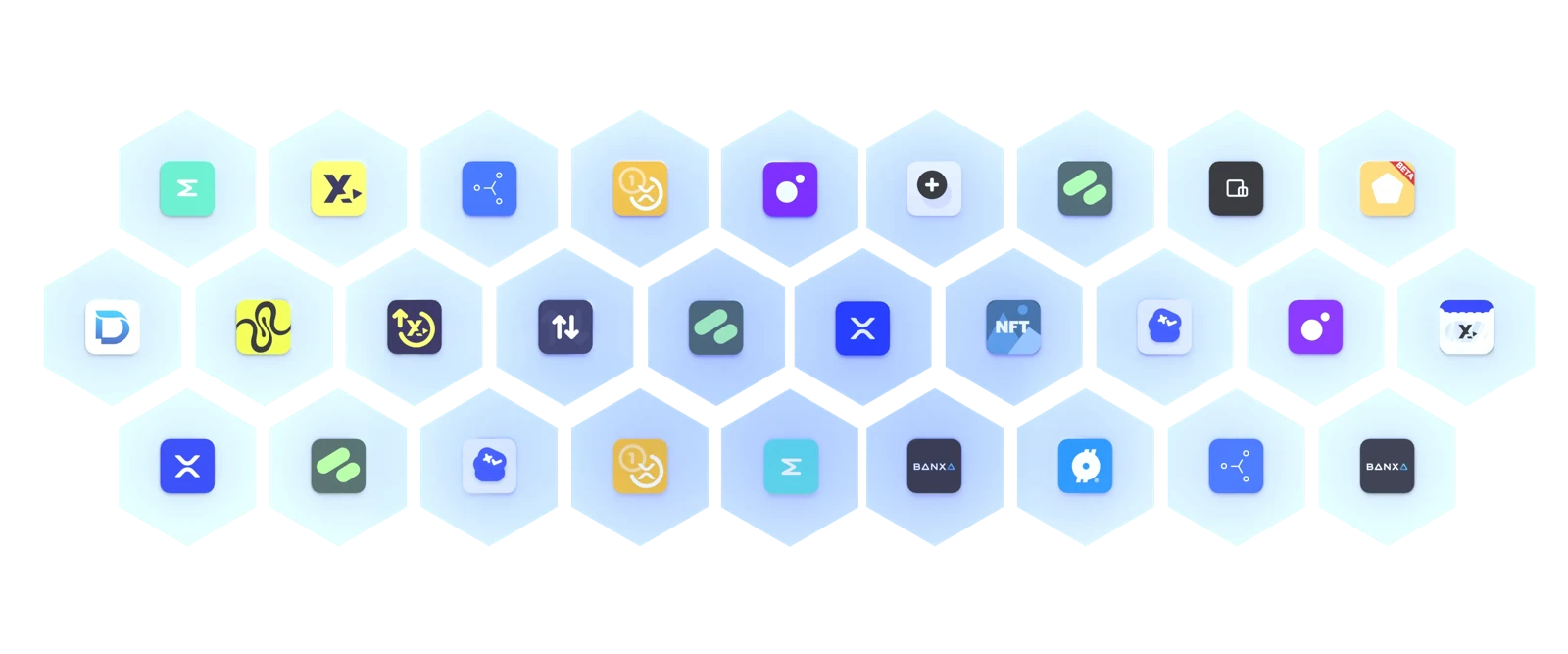
Hundreds of products across the ecosystem rely on wallet connectivity for login and transaction approval. This creates a familiar pattern: the application prepares the action, the wallet presents the request, and the user signs from the account they control. Xaman wallet benefits from that ecosystem role because its value grows as more XRPL and Xahau tools support the same signing workflow.
Fees, settlement, and the cost of using XRPL from a phone
Network fees on XRP Ledger are paid in XRP and exist to process transactions on the ledger. They are separate from the cost of buying a Tangem card, exchange fees charged before funds reach the wallet, or spreads inside trading venues. The app itself is the account and signing layer, so the final cost of a transaction comes from the network action and any service the user chooses to interact with.
Fast settlement changes user behavior. Payments and token actions do not sit around for long periods like slow bank transfers, so the main job is confirming the right details before signing. After a valid transaction reaches the ledger, confirmation arrives in seconds. That speed is one reason mobile self-custody feels practical on XRPL for payments, token transfers, and routine account management.
Where alternatives fit beside a card-backed XRPL setup
Other custody options solve different problems. A centralized exchange account is convenient for buying XRP with fiat and making quick trades, but it leaves withdrawal, account access, and exchange policy inside that platform. A general hardware wallet such as Ledger fits users who want a dedicated device across many chains. A browser wallet feels natural for web-first activity, although XRPL users still need strong support for trust lines and XRPL transaction types.
Xaman wallet is strongest when the priority is XRPL and Xahau self-custody with mobile signing, account management, biometric approval, and Tangem card support in the same flow. It does not need to replace every crypto tool a person uses. It fills the specific role of an XRP Ledger control center that travels with the user while preserving direct ownership of the keys.
Who gets the most value from this wallet choice
The best fit is a user who holds XRP or XRPL-issued assets, signs into ecosystem applications, manages more than one ledger account, or wants hardware-backed key storage without carrying a USB device. It also fits builders and product teams that need users to approve XRPL actions from a known wallet interface. The appeal is practical: one mobile environment for accounts, tokens, cards, and transaction signing across XRPL and Xahau.
A new user gains a clearer path into self-custody, while an experienced XRPL participant gets stronger account separation and a familiar signing flow across products. Xaman wallet belongs in that narrow but important category: a specialized wallet for people who want the XRP Ledger experience to stay fast, visible, and under their own control.
Xaman wallet questions worth asking
Which assets can be held in a Xaman Tangem card account?
A Tangem-backed account follows the same ledger rules as the account it controls. On XRP Ledger, it holds XRP and issued assets that the account is configured to accept through trust lines. On Xahau, it works with assets supported by that network. The card does not create a separate token standard; it protects the signing key used for the ledger account.
Fees on Xaman card transactions come from where?
Transaction fees come from the XRP Ledger or Xahau network action being signed, and XRP Ledger fees are paid in XRP. Those network fees are separate from any cost of buying Tangem cards, exchange withdrawal fees, or service charges from apps connected to the wallet. The wallet presents the transaction for approval, while the ledger charges the fee required to process it.
Can Xaman sign in to XRPL apps without exposing my private key?
Yes. The normal wallet connection flow lets an XRPL app request an account action or sign-in, and the user approves it in the wallet interface. The private key stays under the user's control and is used only to sign the approved request. With a Tangem-backed account, the card performs the key operation through NFC rather than exposing the key to the phone.
Recovering access if a Xaman passcode is forgotten
Recovery depends on how the account was created and secured. A standard mobile account requires the recovery material or import method associated with that account. A Tangem-backed account requires the configured card access path, because the private key is stored inside the card chip. The important distinction is that the app passcode protects local access, while the account key or card controls ledger ownership.
Is Xaman better than keeping XRP on an exchange?
It is better for users who want direct control of XRPL accounts, token trust lines, and transaction approvals. An exchange is simpler for buying, selling, and fiat withdrawals, but the exchange controls the account until funds are withdrawn. Xaman places signing authority with the user and fits ongoing XRPL or Xahau activity, especially when paired with account separation and Tangem card storage.